Often, the driver shortage is only framed within the discourse of logistics and transportation, but the reality of the crisis extends beyond those boundaries. The shortage of truck drivers is increasingly becoming a risk for industries that depend on road freight as their primary mode of transportation. The pulp and paper industry, for instance, faces severe challenges amid dwindling driver numbers across the continent. Sooner than later, it will not be fibre availability, regulatory hurdles, or production efficiency that pose challenges for the industry, but the intensifying driver shortage.
In this article, we discuss what the growing shortage of drivers across Europe and globally means for the pulp and paper industry, how it affects production and companies' economic decisions, and finally, mitigation strategies to prevent transportation bottlenecks.
Rising Costs
In general, companies experience higher freight costs and a firmer rate floor during a market cycle. In the logging sector, salaries for log drivers have also increased sharply, as mills often struggle to retain staff. The European trucking sector, which has been experiencing lower productivity and higher revenue losses, is creating a compounding operational and financial burden on the pulp and paper industry. Since the pulp and paper supply chain depends on road freight for the vast majority of goods and materials movement, these trucking disruptions threaten profitability.
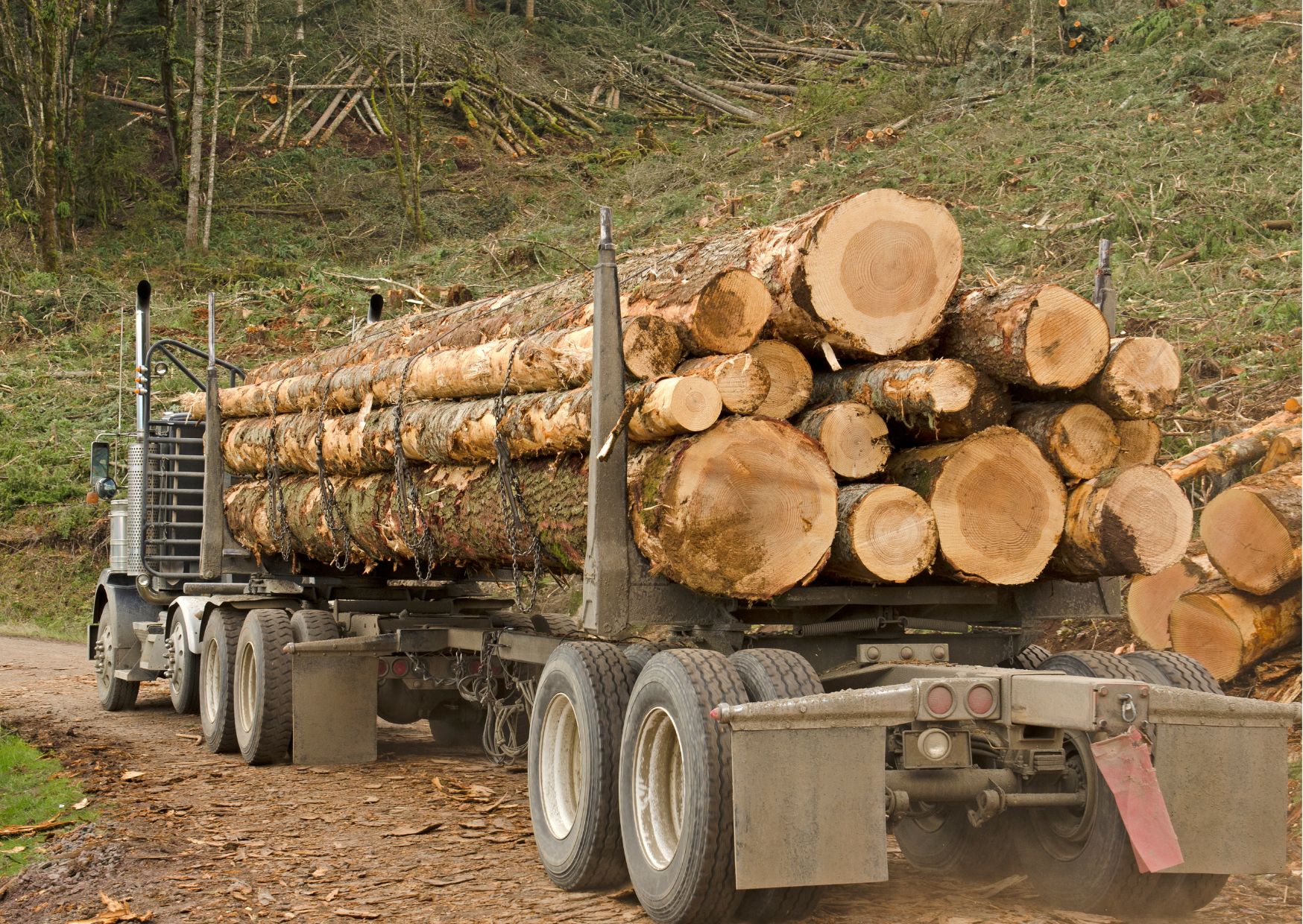
(Logging Truck)
Logistics costs already average 10% of total turnover for European paper companies, and with spiking transport costs, companies are feeling pressure to adopt aggressive pricing to protect their margins. This means the expenses will be pushed onto the selling price. Although manufacturers attempt to pass these costs down the supply chain, there tends to be a lag before the impact is felt in the market. So, producers often absorb these freight rates themselves, which can lead to poor performance in the first quarter. Since trucking supports both the first mile and the last mile, which means the delivery of the raw products to processing plants and further the dispatch of the finished products to the markets, overall, as trucking companies continue to face constraints, paper manufacturers will also have to adjust their potential accordingly.
Disruptions Through the Supply Chain
Historically, mills have functioned on the implication that transportation is a support function, since the focus has perpetually been on maximizing production. However, the crumbling trucking industry has forced manufacturers and mills to vie for access to transportation. Labor shortages in the trucking industry limit the efficiency of moving raw materials (wood chips and logs) and finished paper products between mills, production units, and markets. Delays in order fulfillment remain a persistent hurdle, causing disruptions in the production cycle.
This challenge is also critical to the European pulp and paper industry’s circular economy targets. The effectiveness of circular systems depends on how efficiently recycled fiber is collected, transported, and recovered at collection facilities and delivered to recycling plants. For recycled paper, trucking remains the dominant mode, and challenges posed by driver shortages will only make the cost of recycled fiber more volatile. Since sustainability goals rely on logistics networks, this creates a conundrum that the circular economy depends on the movement of goods.
Responding to the Challenge
To address the lack of trucks, many companies are now exploring intermodal solutions, such as rail and inland water transport. Intermodal solutions also tend to be more energy-efficient and even cost-effective. But these are still underdeveloped, as there are often few direct rail connections, and temporary storage near the hubs can incur additional costs. Furthermore, the last-mile problem remains, with trucking still needed to fill the gap. Industry bodies like CEPI are also lobbying to increase the authorized maximum weight, thereby requiring fewer trucks to move the same volume of heavy and bulky paper products.

(Inland Waterways)
Nearshoring and strategic sourcing are also considered by paper companies to ensure proximity and reliability, thereby drastically reducing the number of trucks used. Modern mills are also equipped with automated technologies that reduce the time trucks spend idling, allowing the existing pool of drivers to complete more trips per day. While digital solutions may enhance efficiency, they are unlikely to eliminate the structural pressures posed by an aging demographic in the industry.
The future of the pulp and paper industry lies between the mills, the manufacturing plants, and the markets. The key lesson for the pulp and paper sector is that transportation capacity is becoming a strategic resource. If transportation and logistics continue to be treated as a functional risk, it could reshape supply chain economics across Europe, leading to higher costs, greater risk, and tighter margins. The question remains whether the industry can strategize quickly enough to remain competitive and resilient and respond to the present crisis both collectively and at the level of individual businesses.
Share on:


.svg)


