When industries are dominated by corporate giants, they tend to lose something fundamental: a personal touch. Tackling mass-produced logistics solutions, 721 Logistics, a Philadelphia, PA based customs broker and freight forwarder, has carved a niche for itself built on the premise of a decidedly old-fashioned approach, which involves actually caring about the people at the other end of the phone, treating every shipment as if it were their own, and finally looking beyond the spreadsheet that tracks customers as numbers.
When 721 Logistics was founded in 2012, it modeled its business on an inclusive approach that is best captured by its tagline, “large enough to serve you, small enough to care.” The company insists, “Our tagline isn’t marketing language for us; it’s how we operate. We treat every shipment as if it were our own”. In this way, 721 Logistics was founded on a very simple but powerful idea that combines deep industry expertise with a genuinely personal approach to service.
The motivation behind this approach came from observing gaps in the industry, particularly where customers were concerned, and were often treated transactionally. “We wanted to create a company that could compete with larger providers in capability, but differentiates itself through accountability, accessibility, and responsiveness”, 721 Logistics emphasizes. For them, the goal since day one has been “to build something that didn’t lose sight of the people behind the shipments, both our clients and our team.”
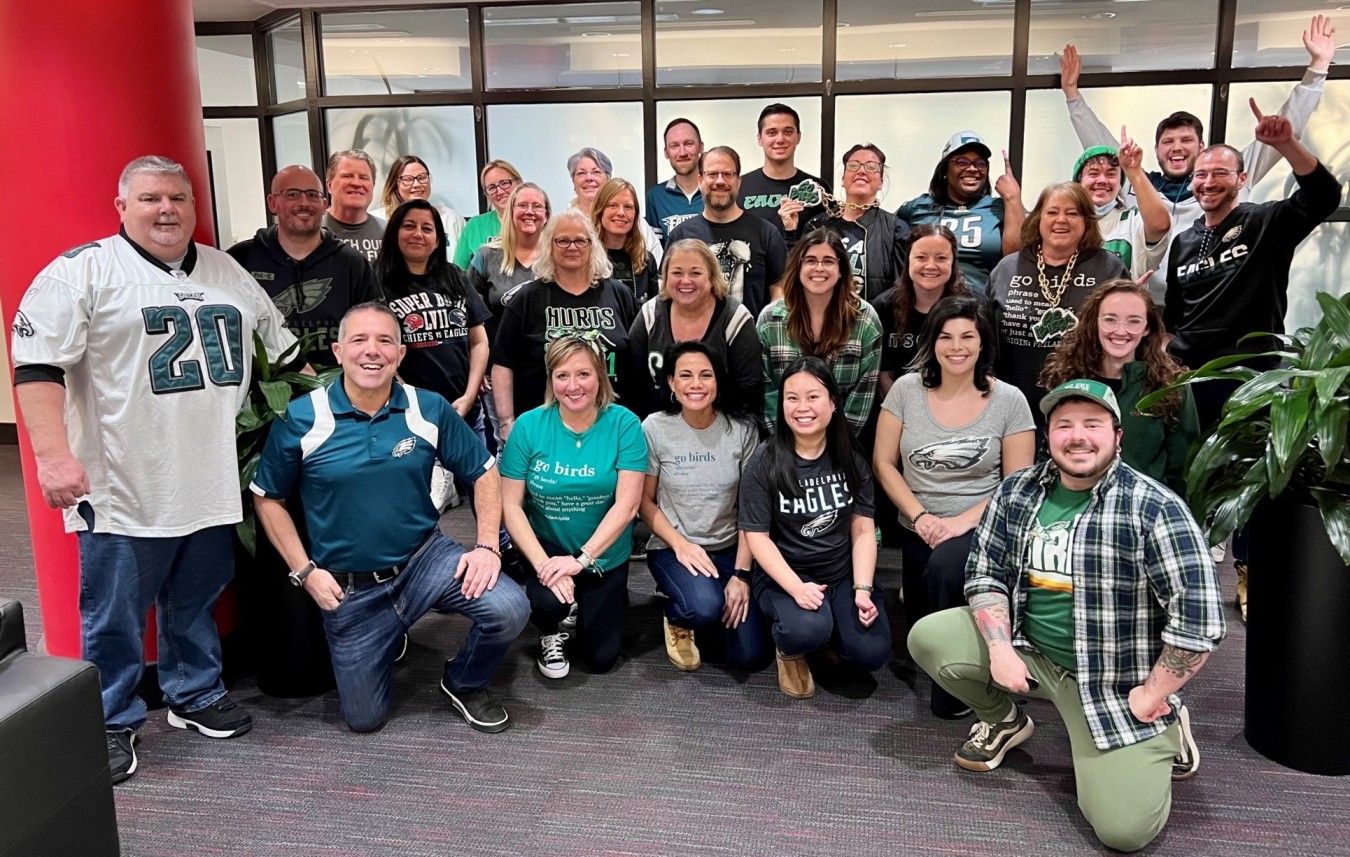
(721 Logistics Celebrating Their Team Spirit)
And how does this ethos translate into everyday practice? 721 Logistics explains, “It includes hands-on involvement from leadership, proactive communication with clients, and a willingness to adapt solutions rather than force a one-size-fits-all model. Whether it’s navigating a complex customs issue or coordinating a time-sensitive shipment, 721 Logistics approaches every situation with a sense of ownership and urgency, which is only possible in a company that practices such values.
Over the year, 721 Logistics has crafted a robust portfolio that includes customs, forwarding, and transportation management, which they recognize developed organically in response to their clients' needs. “We started with a strong foundation in customs brokerage, particularly in highly regulated commodities, and quickly realized that clients were looking for more continuity and control across their supply chain”, they explain. Beyond that, the company moved into freight forwarding and transportation management to close gaps and emerge as a well-rounded entity. To explicate how their operations are designed, they illustrate, “Instead of operating in silos, we built each service line to complement the others—allowing us to manage the flow of goods from origin to final delivery with full visibility and accountability.” Carving end-to-end solutions forms a key part of their expertise, and takes precedence over individual services.
However, leading with solutions involves its own nuances: 721 Logistics thoroughly researches its customers' business models, pain points, and compliance exposure, and then designs an integrated approach that simplifies their operations. “We have seen that this approach results in a more efficient, cost-effective, and resilient supply chain”, the company asserts.
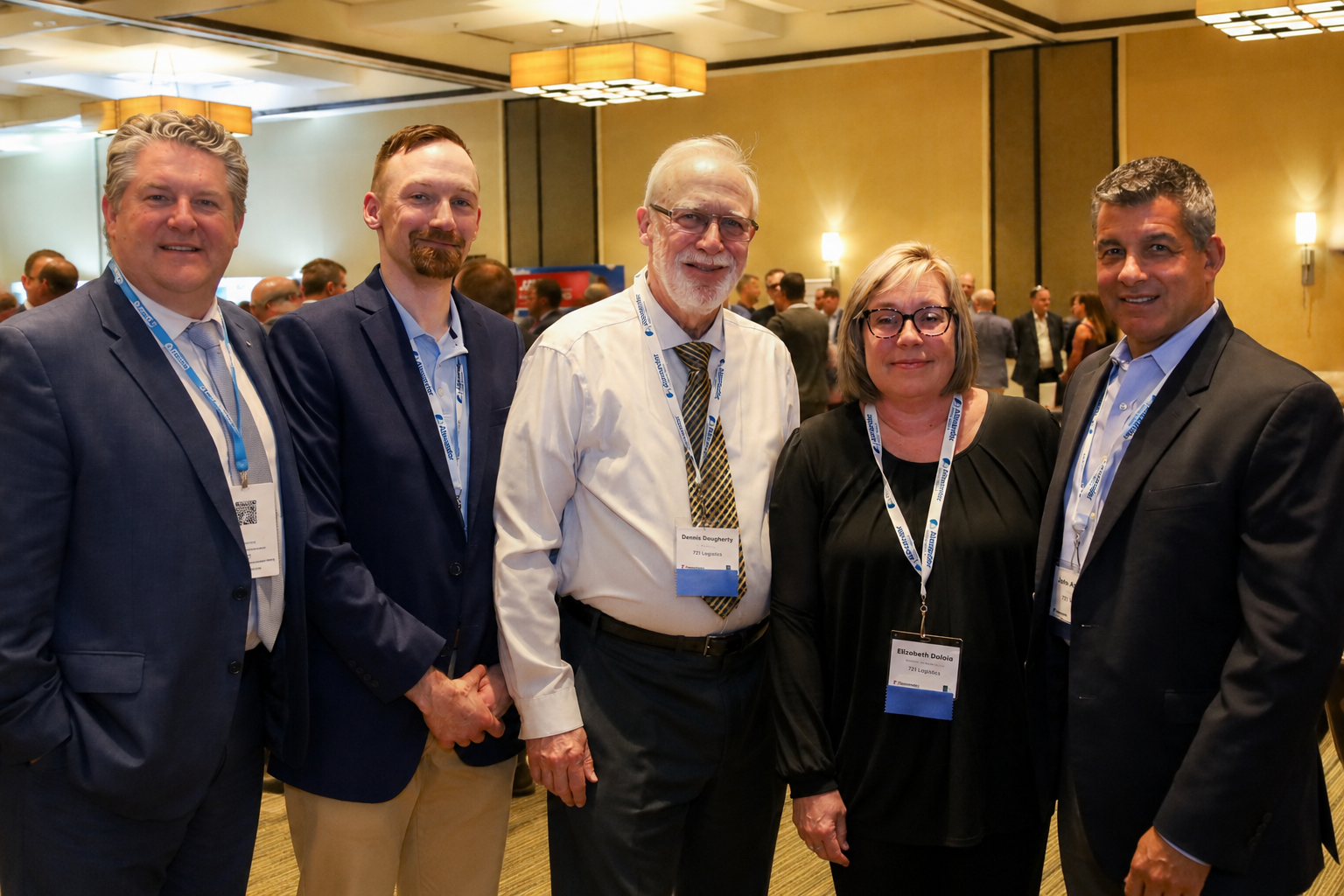
(721 Logistics' Management Team)
Exercising this consultative approach has been exceptionally beneficial in the forest products industry, where 721 Logistics has developed particular expertise. In recent months, the pulp-and-paper industry in the US has faced challenges due to fluctuating trade policies, tariffs, and geopolitical disruptions that have complicated everything from sourcing to pricing to regulatory compliance. Considering the logistics and customs perspective, 721 Logistics reports that they are seeing “a greater need for strategic planning around classification, valuation, and country of origin”. These are areas where they consider that even small missteps can have significant financial risk implications.
Clients now lean on 721 Logistics not just to move goods but to anticipate regulatory changes, manage risks, and maintain compliance in an environment that seems to shift beneath their feet with each news cycle. As a result, 721 Logistics is evolving from “transactional execution to strategic advisor”. Duty mitigation strategies, supply chain diversification, and contingency planning now actively inform their solutions and their methods.
Despite global upheavals, 721 Logistics remains forward-looking and continues to develop. Looking ahead, 721 Logistics faces the challenge every successful family business eventually confronts: how to grow without losing the culture that made it successful in the first place. To address this, 721 Logistics practices responsible scaling, centered on the culture that defines them. This means that their developments are also people-oriented; they remark, “We are investing in technology that enhances visibility, data analytics, and compliance tracking, allowing our clients to make more informed decisions in real time”.
Simultaneously, the company is also deepening its presence in specialized verticals. This includes refining their expertise in navigating the unique logistics and regulatory challenges of the forest products industry, such as bulk shipments, port congestion, and evolving environmental and trade regulations. Moreover, 721 Logistics is working to strengthen partnerships, both domestically and internationally, to expand its reach while maintaining the level of control and service expected by its customers.
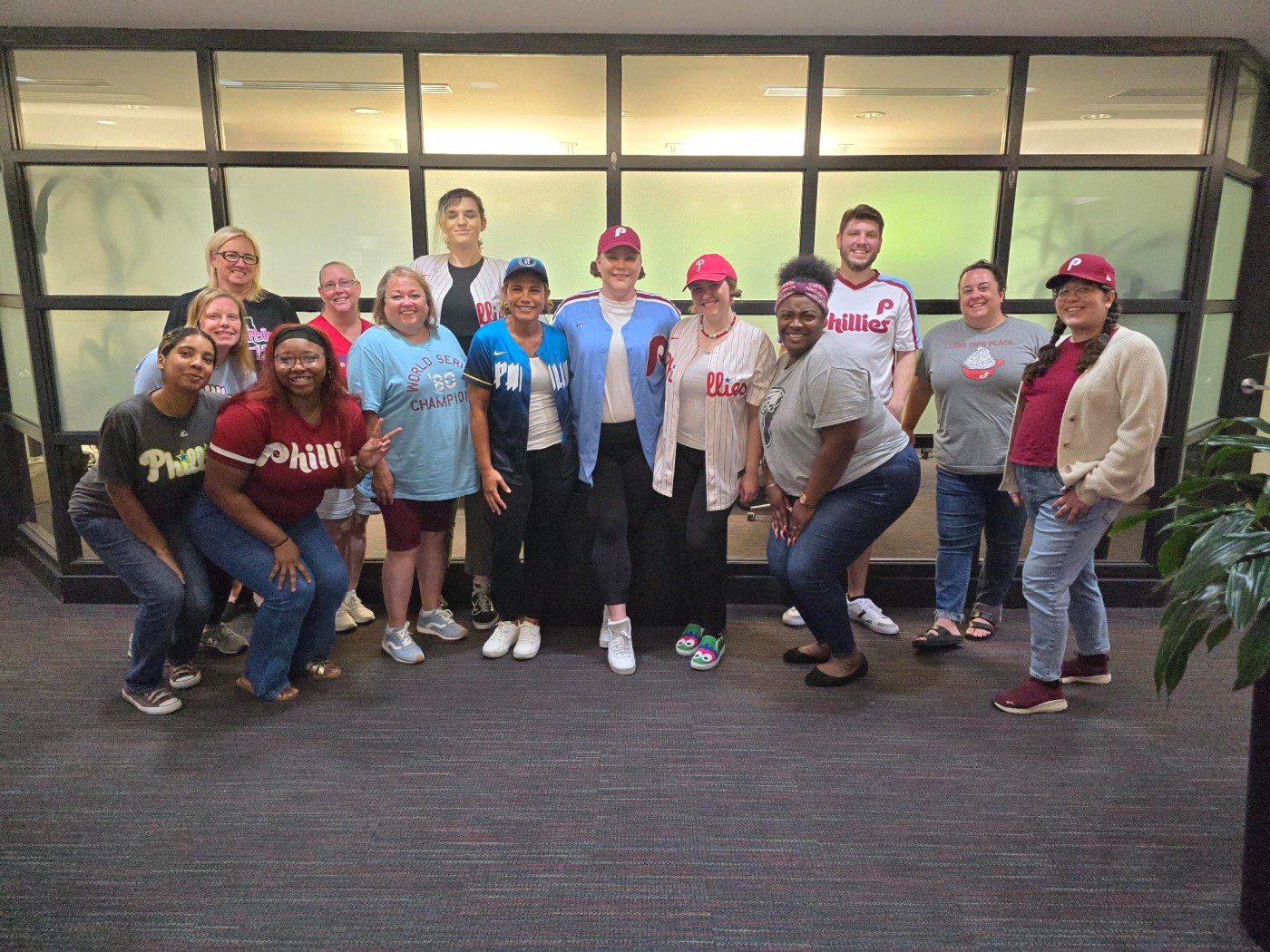
(721 Logistics)
Apart from strategic and technical advancements, 721 Logistics acknowledges that networking forms the soul of any logistics business. “Networking, for us, is about building meaningful, long-term relationships rather than simply exchanging contacts”, 721 Logistics highlights. They explain that their networking method is grounded in a “listening first” philosophy, which allows them to acknowledge, understand the challenges, and thus, prioritize the people they meet.
For the Pulp and Paper Alliance, 721 Logistics emerges as a member that understands both the operational and regulatory compliance aspects of the business, whether navigating complex import requirements, optimizing transportation strategies, or responding to market disruptions. To that end, 721 Logistics is exceptionally accessible and positioned to support customers with practical, experience-driven solutions.
Speaking to the 721 Logistics team, it is clear that in an era when supply chains have become abstract chatbots, impersonal emails, and automated updates, 721 Logistics understands that behind every shipment are real people working tirelessly to move cargo from point A to point B. In centering people over machines, 721 Logistics has found its edge that propels its growth and draws customers to return again and again.
Share on:


.svg)


